Owning a home is one of life’s most rewarding achievements, but it comes with responsibilities that extend far beyond routine cleaning or decorating. A safe and comfortable home depends on proactive maintenance and strategic repairs, particularly in areas that affect structural integrity, safety, and daily living comfort. From your roof to the HVAC system, foundation, doors, and appliances, each element plays a critical role in the overall functioning of your home.
Neglecting small repairs can lead to significant hazards, higher repair costs, and diminished property value. For instance, a minor water line leak might seem trivial, yet over time, it can compromise a foundation or encourage mold growth. Similarly, failing to address a malfunctioning garage door or an aging HVAC unit can pose safety risks while decreasing efficiency.
This guide explores essential home repairs every homeowner should know, offering actionable advice to maintain and improve key systems. By following these strategies, you can prevent emergencies, enhance comfort, and extend the life of your home. Each section highlights areas where timely intervention has the most impact, providing tips for maintenance and when to hire qualified professionals.
Maintaining Durable Exterior Surfaces
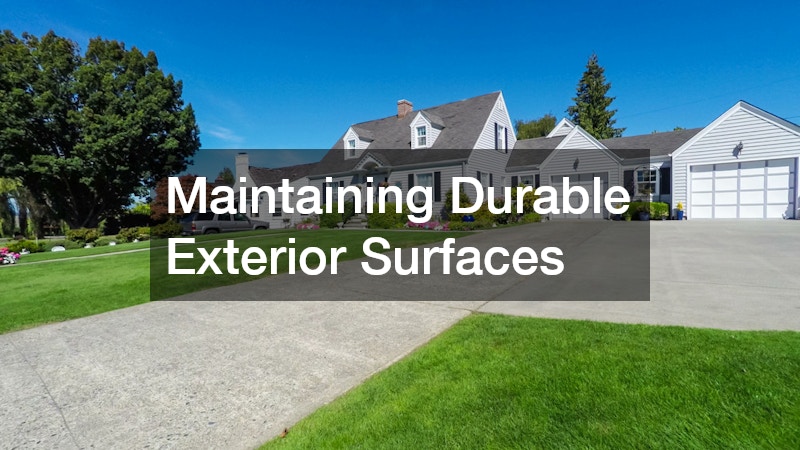
Driveways, walkways, and other paved areas experience constant exposure to the elements and heavy use, which makes regular inspection and maintenance crucial. Cracks, potholes, or uneven surfaces not only reduce curb appeal but can also lead to trips, falls, and more extensive damage over time.
Inspecting for Damage
- Conduct seasonal walkthroughs of your driveway and sidewalks, looking for hairline cracks, surface erosion, or water pooling.
- Early detection of wear allows for minor repairs that prevent more costly damage.
- Keep a record of problem areas to monitor changes over time.
Timely Repairs
- An asphalt repair company can address major cracks or damaged sections with professional patching or resurfacing.
- Use seal coating to extend the life of paved surfaces and prevent moisture penetration.
- Ensure the repair materials and methods are appropriate for the climate and usage intensity.
Safety Considerations
- Implement safe repairs by marking areas under construction or repair.
- Always follow recommended procedures for DIY crack filling or surface maintenance.
- Proper repair practices reduce hazards for residents and visitors while enhancing long-term durability.
Routine upkeep of exterior surfaces is more than an aesthetic concern—it prevents accidents, preserves investment, and reduces long-term repair costs.
Protecting Garage and Overhead Doors
Garage and overhead doors are critical for both security and daily convenience, but their frequent use can lead to mechanical wear or failure. Malfunctioning doors can become safety hazards if springs, tracks, or sensors are compromised.
Regular Inspections
- Check for misalignment, frayed cables, or rust on garage and overhead door components.
- Test automatic sensors, reverse mechanisms, and manual operation monthly.
- Listen for unusual noises that may indicate failing rollers, hinges, or motors.
Maintenance and Repairs
- Address minor issues before they escalate into major failures, which can be expensive and dangerous.
- Use overhead door repair services to replace springs, panels, or hardware safely.
- Regular lubrication and cleaning of moving parts reduces wear and prevents jamming.
Garage Safety
- Ensure doors fully close and cannot be forced open easily, protecting against unauthorized access.
- Replace worn weather stripping to prevent drafts and water damage.
- Professional garage door repair provides reliable performance, protecting both property and people.
Maintaining garage and overhead doors not only safeguards your home but also ensures the convenience and efficiency of daily operations.
Preserving Structural Integrity
A home’s structural health is foundational to safety and comfort. Issues such as foundation cracks, shifting floors, or water line leaks can compromise the building’s stability and escalate into major financial burdens.
Recognizing Foundation Issues
- Watch for cracks in walls, ceilings, or flooring, which may indicate foundation settling or movement.
- Doors and windows that stick or fail to latch properly can also signal structural shifts.
- Uneven or sloping floors often indicate deeper foundation concerns requiring professional assessment.
Addressing Water Line Concerns
- Leaking or damaged water lines near the foundation can erode soil and increase pressure on structural elements.
- Prompt water line repair prevents soil movement and reduces the risk of structural failure.
- Ensure proper drainage and consider installing water barriers where needed to redirect water away from the foundation.
Professional Intervention
- Foundation repair specialists provide evaluation, stabilization, and long-term solutions for structural issues.
- Water line repair services offer safe and reliable plumbing solutions that protect both the water supply and structural components.
- Early intervention prevents extensive damage, reduces repair costs, and ensures the long-term safety of the home.
Maintaining a solid foundation and functional water systems protects your investment and prevents minor problems from turning into major structural emergencies.
Optimizing Heating, Cooling, and Appliance Function
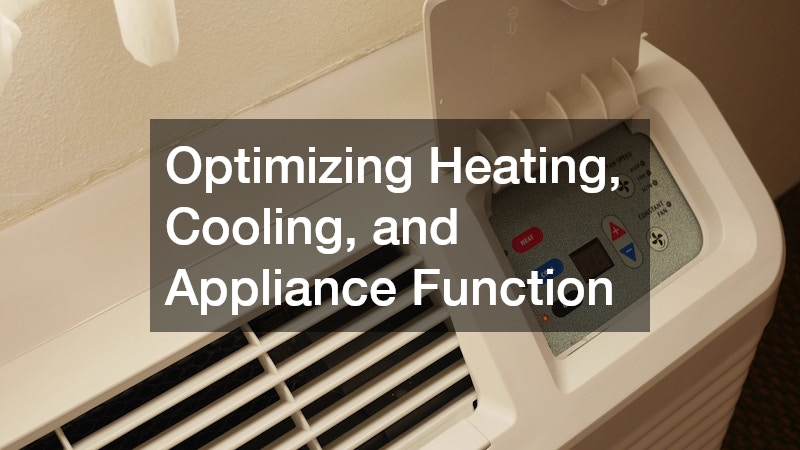
Comfortable indoor living depends on properly functioning HVAC systems and household appliances. Regular maintenance not only improves comfort but also protects health, reduces energy costs, and prevents equipment failure.
HVAC Maintenance
- Engage local HVAC companies for seasonal inspections and system tune-ups.
- Clean filters, inspect ductwork, and verify thermostat accuracy to ensure optimal performance.
- Preventive maintenance reduces emergency repairs and improves energy efficiency.
Appliance Care
- Check major appliances such as refrigerators, ovens, washers, and dryers for signs of wear or malfunction.
- Use appliance repair services for complex issues or replacements to prevent further damage.
- Maintain a regular schedule for cleaning and minor adjustments to extend appliance lifespan.
Energy Efficiency and Safety
- Properly functioning HVAC systems maintain consistent indoor temperatures and reduce utility bills.
- Timely repairs prevent electrical overloads, leaks, or other hazards associated with malfunctioning appliances.
- Routine maintenance ensures longevity, efficiency, and peace of mind.
Optimizing heating, cooling, and appliances ensures comfort and reduces the risk of costly emergencies.
Restoring Interior Surfaces and Fixtures
Interior maintenance enhances both aesthetics and functional longevity. Small surface issues, if left untreated, can lead to safety concerns and long-term damage.
Fiberglass Repairs
- Inspect tubs, showers, and sinks for cracks, chips, or wear.
- Minor damage can be repaired with DIY kits, but extensive damage often requires professional fiberglass repair.
- Prompt attention prevents leaks, mold growth, and deterioration of surrounding materials.
Painting and Surface Maintenance
- Hire a painting contractor for large-scale wall, ceiling, or trim projects.
- Inspect painted surfaces regularly for peeling, cracking, or water damage.
- Quality painting improves durability, protects surfaces, and enhances the home’s overall appearance.
Enhancing Longevity
- Clean interior surfaces with proper non-abrasive products.
- Schedule routine touch-ups and maintenance to prevent degradation.
- Investing in skilled labor and quality materials ensures the home remains functional and visually appealing for years.
Addressing interior surfaces protects your home, reduces repair costs, and maintains a safe, welcoming environment.
Enhancing Doors and Entryways
Doors play a crucial role in home security, energy efficiency, and overall comfort. Problems with entryways—warping, sticking, or damaged hardware—can compromise safety and increase heating or cooling costs.
Regular Inspections
- Check for misaligned doors, gaps around frames, or difficulty latching.
- Inspect weather stripping and seals for wear to prevent drafts and water intrusion.
- Monitor door hardware, including locks, hinges, and handles, for wear and rust.
Replacement and Repairs
- A replacement door can improve security, insulation, and appearance simultaneously.
- Garage door repair and overhead door repair ensure that entryways operate smoothly and safely.
- Small adjustments, like lubricating hinges or tightening hardware, can extend door life and prevent larger problems.
Safety Considerations
- Ensure all doors meet safety standards for locking mechanisms and fire resistance.
- Repairing or replacing malfunctioning doors prevents potential injuries from pinch points, falling panels, or faulty automatic systems.
- Properly maintained doors contribute to both security and energy efficiency, reducing long-term costs.
Addressing door maintenance ensures secure, comfortable, and efficient entryways, protecting residents and preserving property value.
Seasonal and Preventive Maintenance

Proactive home maintenance reduces the likelihood of emergencies, extends system life, and ensures year-round comfort. Seasonal checks focus on systems most vulnerable to wear or environmental stress.
Winter Preparations
- Inspect HVAC systems before cold weather to prevent heating repair emergencies.
- Check water lines for leaks and insulate exposed pipes to prevent bursts.
- Ensure doors and windows seal properly to maintain energy efficiency.
Summer Preparations
- Schedule AC repair or maintenance to ensure cooling systems function under heavy loads.
- Inspect outdoor paving for cracks or damage, using an asphalt repair company if needed.
- Maintain garage and overhead doors to prevent strain from heat or expansion.
General Preventative Measures
- Safe repairs include following the manufacturer’s guidelines and using quality materials.
- Conduct monthly or quarterly inspections of plumbing, electrical, and structural systems.
- Keep detailed maintenance records to monitor recurring issues and budget for upcoming repairs.
Routine maintenance and seasonal preparations allow homeowners to avoid costly emergencies while improving efficiency and safety.
Coordinating Multiple Repairs
Many home repairs are interdependent, and coordinating them can save time, money, and minimize disruption. Planning ensures projects complement each other and don’t interfere with ongoing repairs.
Planning and Scheduling
- Prioritize high-risk or safety-critical systems, like foundation repair or water line repair.
- Schedule cosmetic improvements, such as house painting services, around functional repairs to avoid redo work.
- Coordinate visits from local HVAC companies, appliance repair services, and door or roofing specialists.
Benefits of Coordination
- Reduces repeated disruption of daily routines by combining contractor visits.
- Professionals can identify overlapping problems, providing comprehensive solutions.
- Coordinated scheduling often reduces overall costs through bundled services or efficient labor use.
Communication and Documentation
- Keep a detailed log of all repairs, inspections, and warranties.
- Ensure clear communication with contractors regarding expectations, timing, and scope of work.
- Documenting work helps with future troubleshooting and resale value.
A strategic, coordinated approach maximizes efficiency, improves results, and enhances the long-term safety and functionality of the home.
Selecting Trusted Home Repair Professionals
Choosing experienced and qualified professionals is key to ensuring repairs are safe, durable, and cost-effective. Poor workmanship or unlicensed contractors can create new hazards and accelerate deterioration.
Vetting Professionals
- Verify licensing, insurance, and references before hiring.
- Seek contractors specializing in the repair needed, such as local HVAC companies, garage door repair, or foundation repair.
- Request written estimates and clearly defined scopes of work.
Evaluating Quality
- Choose contractors who prioritize safe repairs and adhere to industry standards.
- Confirm warranties and follow-up service options.
- Assess previous work through portfolios, reviews, and testimonials.
Effective Communication
- Maintain open communication throughout the project to clarify expectations.
- Schedule progress inspections and request updates on any unforeseen issues.
- Professional guidance ensures repairs are long-lasting, compliant with codes, and completed efficiently.
Reliable professionals help maintain home systems safely and prevent costly mistakes that can arise from DIY or unlicensed work.
Protecting Interior Surfaces
Interior surfaces, including floors, walls, and appliances, require ongoing attention to preserve safety, appearance, and longevity. Minor damage left unattended can become hazardous or expensive to repair.
Hardwood Flooring Repair
- Inspect floors for cracks, warping, or loose boards.
- Prompt hardwood flooring repair prevents trip hazards, further structural damage, and moisture intrusion.
- Regular cleaning and refinishing extend the lifespan of hardwood surfaces.
Appliance Maintenance
- Appliance repair services ensure refrigerators, ovens, washers, and dryers operate safely.
- Check for leaks, electrical issues, or abnormal sounds, addressing them promptly to prevent accidents.
- Routine servicing improves efficiency and reduces the likelihood of system failure.
Painting and Surface Care
- Hire a painting contractor for major interior wall or trim projects.
- Regular inspections catch peeling, cracking, or moisture-related damage early.
- Quality painting protects surfaces, prevents decay, and enhances the home’s appearance.
Maintaining interior surfaces safeguards both safety and comfort, keeping the home functional and visually appealing.
Maintaining a safe, comfortable, and functional home requires a proactive approach to repairs across all critical systems. Addressing HVAC, roofing, plumbing, doors, flooring, and appliances ensures the household remains secure, efficient, and enjoyable. Small issues—whether a loose hinge, a leaky water line, or a worn garage door—can escalate into major hazards if neglected.
Working with qualified professionals—including local HVAC companies, painting contractors, appliance repair services, garage door repair specialists, asphalt repair companies, and foundation repair experts—ensures work is performed safely, meets building codes, and is long-lasting. Seasonal inspections, preventative maintenance, and coordinated repair projects reduce emergency costs, minimize disruption, and maximize efficiency.
A well-maintained home operates reliably, protects occupants, and retains value. Investing in essential repairs is not merely reactive; it is a strategic commitment to safety, comfort, and durability. By combining proactive attention, professional expertise, and careful planning, homeowners can create a resilient, functional, and comfortable living environment for years to come. Thoughtful ongoing maintenance transforms a house into a true sanctuary, preserving both safety and quality of life.